Fat loss plans often start by throwing out home food: no rice, no roti, salads for dinner. They rarely last, because the food you grew up with is the food you'll keep eating. The good news is that a normal Indian kitchen works fine. What changes is the proportions.
The only rule that has to hold
You lose fat when you eat a little less energy than you use, for weeks at a time. Every diet that works, from keto to intermittent fasting, works because of this. A small, steady deficit you can keep beats a hard one you quit in ten days. No food is banned; portions and frequency are what count.
Build the plate first
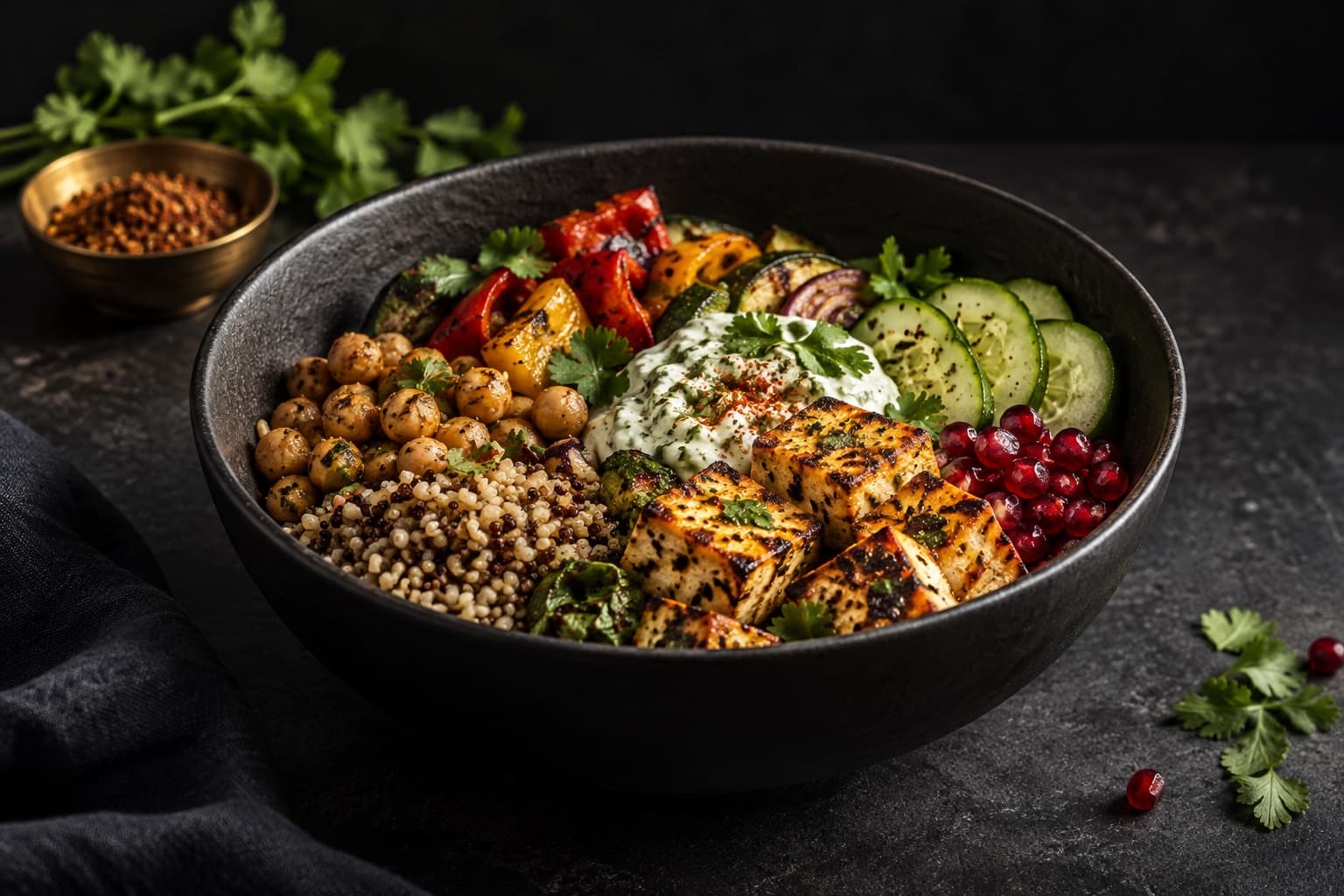
ICMR-NIN's 2024 guidelines describe a plate that is about half vegetables and fruit, with cereals and pulses making up most of the rest. For fat loss that translates into a simple shape:
- Half the plate: sabzi, salad, raita or a vegetable-heavy dal.
- A quarter: protein, such as paneer, dal, chana, curd, eggs, chicken or fish.
- A quarter: rice, roti, millet or poha.
- A measured spoon of oil or ghee in the cooking, not a free pour.
Watch the oil, not the rice
A tablespoon of oil is about 120 kcal. A tadka with three, a ghee-topped roti and a fried papad can add 400 kcal to a meal that looked light. Measuring oil with a spoon for two weeks is one of the most effective changes most Indian households can make.
Keep protein high so you keep muscle
When you eat less, your body can lose muscle along with fat. A controlled trial in which people ate in a large deficit while training found that a higher protein intake let them keep, and even gain, lean mass while losing fat. Aim for protein at every meal: a katori of dal plus curd, paneer or eggs, rather than dal alone.
Small swaps that add up
- Phulka without ghee instead of paratha on weekdays.
- Roasted chana or makhana instead of namkeen.
- Salted buttermilk instead of sweet lassi or a packaged drink.
- Sweets after a meal on a few days a week, rather than as a snack every day.
- Tandoori, grilled or tawa versions of the dishes you'd otherwise fry.
The best diet is the one you'd still eat at your mother's table.
Sources
- ICMR–National Institute of Nutrition (2024). Dietary Guidelines for Indians.
- Longland T.M. et al. (2016). Higher compared with lower dietary protein during an energy deficit combined with intense exercise promotes greater lean mass gain and fat mass loss. American Journal of Clinical Nutrition, 103(3).
- Indian Food Composition Tables (IFCT 2017), NIN.
General information, not medical advice. If you have a health condition, speak to a doctor before changing how you train or eat.